
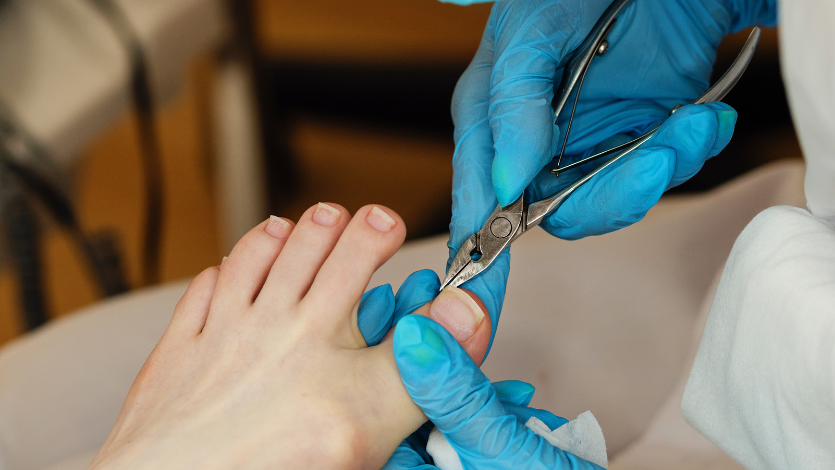
K ids’ feet go through a lot as they grow. From cruising to walking, running, and playing sports, healthy foot development is vital for balanced movement and the development of strong physical skills. Although some foot problems are a natural part of development, there can be advantages to addressing specific issues early with a chiropodist.
At Access Physiotherapy, we liaise closely with chiropody practitioners to help children remain active, comfortable and confident at every step of their individual journey through childhood. Knowing when to ask for professional help early can make all the difference.
Understanding Normal Foot Development in Children
Parents often worry about flat feet, walking, or odd movements in young children. A lot of the time, these are naturally part of development.
- Flat feet are standard in infants and toddlers due to baby fat, weak muscles, and loose ligaments.
- Arches usually begin forming between 3 and 6 years old.
- Flaws in walking or running stride (e.g., toe-walking, in-toeing) frequently resolve with growth.
But not all foot problems clear up on their own, and if left untreated, some can negatively affect posture, coordination, and your child’s activity level.
Signs Your Child May Benefit from Seeing a Chiropodist
Think about scheduling an evaluation if your child has any of the following signs:
- Pain in the foot, ankle, knee, or lower leg that doesn’t go away
- Flashovers or a hard time keeping up with the group
- Tippy toes in early toddler years onwards.
- In-turning or out-turning of verses that do not get better with time
- Uneven shoe wear
- Painful or stiff flat feet
- Feet feel “heavy,” tired, or sore after minimal activity.
- Nail or foot problems, such as corns, calluses, or skin conditions
It’s likely to help address minor concerns before they become big problems.
Common Children’s Foot Conditions Treated by Chiropodists
Chiropodists are qualified to assess and treat all types of paediatric foot issues, such as:
- Flat feet (pes planus)
- Heel pain (Sever’s disease)
- Toe walking
- In-toeing or out-toeing gait
- Ingrown toenails
- Warts (verrucas)
- Biomechanical imbalances
Treatment could include advice, exercises, footwear advice, orthotics, or liaising with physiotherapy services.
The Role of Physiotherapy in Children’s Foot Health
At Access Physiotherapy, physiotherapy often complements chiropody care to treat the whole image of a child’s movement and development. Physiotherapy may help with:
- Developing the muscles that support the feet and legs
- Improving balance, coordination, and posture
- Correction of foot-related movement patterns
- Promoting sports participation and safety
This team effort means your child will receive well-rounded care that’s right for their age.
Why Early Assessment Matters
Kids are tough, but their bodies are constantly changing, too. Addressing foot concerns early can:
- Reduce pain and discomfort.
- Improve walking and running mechanics.
- Prevent joint or postural issues anymore.
- Promote confidence and involvement in activities.
A measure-norm based on professional judgment reassures that development is on or off track and provides guidance on whether services are warranted.
When in Doubt, Get Checked
If you’re not sure whether your child’s foot development is typical, it never hurts to ask. This is where a chiropody examination can be helpful, making things easier for any concerned parent and providing realistic solutions if they are called for.
Access Physiotherapy is with your child every step of the way in their development and movement.
Contact Access Physiotherapy today for more information on kids’ foot assessments or to schedule an appointment.